When I attended the Melbourne Build Expo last October, I went with the ambition to learn as much as I could about a range of contemporary industry topics that are shaping the future of design and construction.
While listening to the Global Perspective session panel I was reminded how much we can gain by observing what’s happening beyond our borders. The conversation moved between ideas of design, sustainability, regulation, and technology and it struck me how Australia sits right at the intersection of them all. Here are my key takeaways, or at least what I could decipher from my notes!
From Feng Shui to Function: Finding Balance in Design
The discussion began with an ancient art, Feng Shui, and talked about its misunderstood role in design.
One panellist (I forgot to write down the names of all panellists!) explained that true Feng Shui isn’t about superstition or symbols; it’s about flow and balance. Rooted in Daoist and Zen principles, it encourages us to move with nature rather than against it.
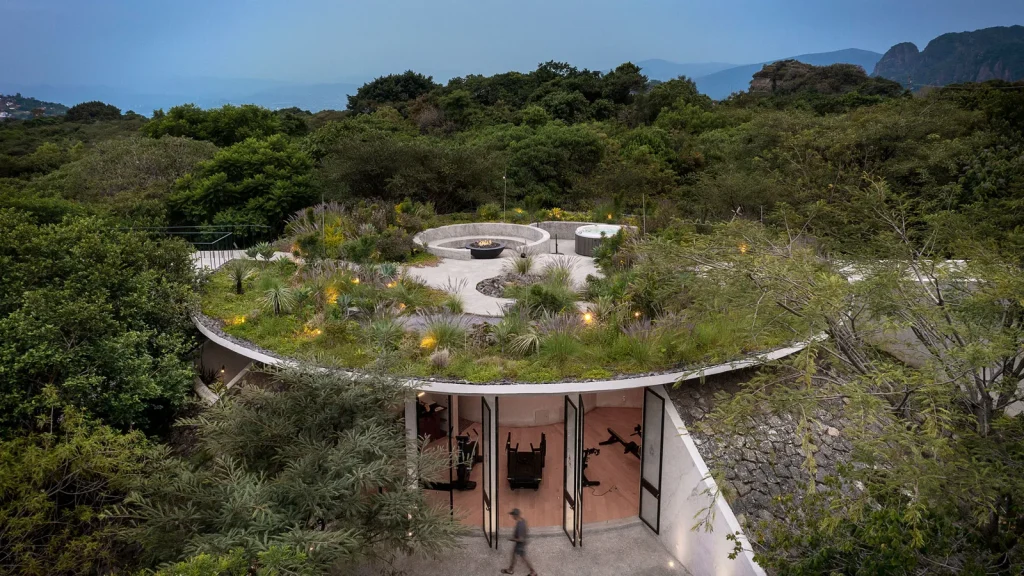
That philosophy mirrors what we now call biophilic design or wellness-based architecture, which I have already discussed in depth in other articles: spaces that respect natural rhythms and support how people actually feel and function. Sustainability begins long before we talk about kilowatts or insulation, it starts with mindset and attitude.
Three Continents, Three Directions
Across the world, nations are building differently and all for good reasons.
- Africa & the Middle East – Ambition and Speed
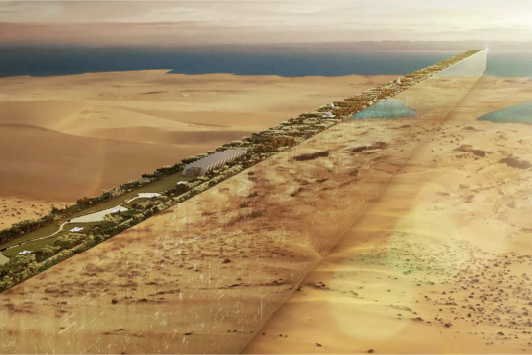
These regions are in the middle of explosive population growth and “giga-projects” , entire smart cities rising from the desert. There’s boldness in scale and vision, underpinned by highly integrated digital systems.
- Europe & the UK – Retrofit and Resilience
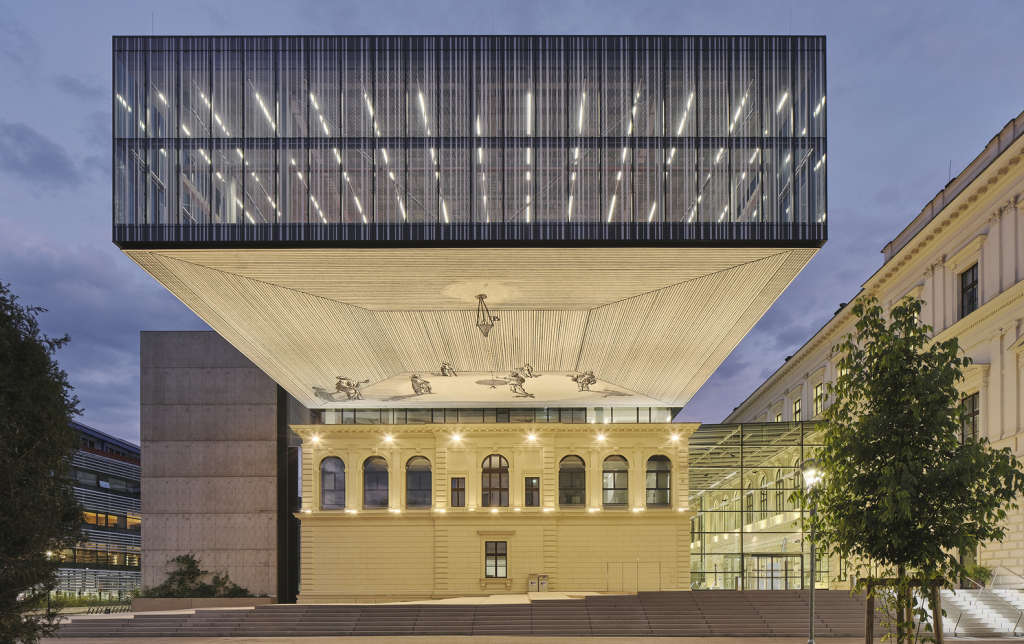
Europe’s challenge is the opposite: ageing assets. The focus is on getting more life out of existing infrastructure through retrofit, carbon analysis, and circular-economy thinking. But bureaucracy often slows things down and sometimes billions are spent on approvals before construction even begins.
- The United States – Digital Acceleration
America is charging ahead with AI-driven infrastructure and data centres, even while its roads and bridges lag behind. Its advantage lies in pace and technological optimism — it just builds.

Australia’s Position in the Middle
Listening to this, I couldn’t help but think that Australia carries pieces of all three worlds.
We’re still expanding like Africa, maintaining mature assets like Europe, and embracing digital transformation like the US. But our challenge is regulation: slow, complex, and often discouraging, especially for innovation.
We also face high costs and limited labour supply, both of which make large-scale change difficult. Ironically, many Australian products and ideas are easier to export than to approve for use here. That’s a reality worth rethinking.
Beyond Cost: Designing for Value
Another key theme was a quiet but profound shift in how we measure success.
The world is moving from “cost efficiency” to “designing for value”, a broader view that encompasses social, community, and environmental impact.
Europe leads this transformation, but Australia has the potential to go further by embedding value into design culture, not just compliance checklists. Building for people, not just profit, creates spaces that last.
The Australian Opportunity
If we take the ambition of Africa and the Middle East, the discipline of Europe, and the speed of innovation from the US and combine them thoughtfully, we could shape a new Australian model of infrastructure.
That model would be agile yet responsible, digital yet human-centred. And perhaps, like our education system, it could become something we export back to the world not just as buildings, but as a philosophy of how to build.
A Final Reflection
What stayed with me most from this session was not statistics or slides, but the clear perception of a new mindset. Across continents and contexts, the message was clear: progress happens when ambition meets empathy (rejiggling someone’s words) .
From ancient principles of flow to high-tech construction, the future of building may lie in how we connect human well-being, cultural understanding, and environmental balance or at least this is where the conversation seem to heavily lean towards nowadays.
Giovanna Toldi, Managing Director, Warmset Australia