
Underfloor Heating in Australia: The Complete Buyer's Guide for 2026
What is Underfloor Heating?
Underfloor heating hides the heat source beneath your finished floor, turning the entire surface into a gentle radiant panel. Instead of blowing hot air around the room, the floor itself emits long-wave warmth that rises evenly and keeps toes at 24–29 °C. Because the system runs at much lower temperatures than radiators or ducted air, it can hit comfort points with fewer kilowatt-hours—especially when paired with solar power or a home battery.
The Radiant Difference
Conventional ducted systems warm the air first, then hope that heat stays down where people live. Radiant floors flip the script: they warm objects and bodies directly, so you feel cosy at a lower thermostat setting. Less stratification means no chilly ankles or stuffy ceilings, fewer airborne allergens, and quieter rooms (the only moving part is a silent thermostat relay).

Far-Infrared Mats (Warmset)
Resistance-Cable Mats
Hydronic Water Loops

Why Underfloor Heating is Surging in Australia
Sustainability and green engineering are embedded in Filmcutter and Warmset operations. Our production facility in Italy, powered by up to 300KW/day of solar energy, employs solventless, eco-conscious processes that minimize environmental impact while maintaining unmatched quality. For our mats, we use 100% recyclable materials and have eliminated copper entirely in our heating strip, thereby reducing resource consumption and waste.
By embracing growing electrification trends in Australia, Warmset Australia aligns with forward-thinking architects, builders and homeowners that want to shift away from fossil fuels. Our far-infrared underfloor heating solutions can be powered by renewable electricity, helping reduce carbon footprints and cutting your electricity bill.
Every Warmset mat reflects a commitment to employ sustainability and responsible innovation at every stage—from product engineering and production methods to end-of-life recycling.

Electrification policies turn up the heat
Victoria’s Amendment VC250 bans new gas connections for dwellings that need a planning permit from 1 Jan 2024, effectively mandating all-electric space-heating in ~50,000 new homes a year. The National Construction Code (NCC) 2022 already tightened whole-of-house energy-use budgets, and the 2025 draft goes further on thermal performance. Other states are signalling similar moves, so builders and architects are searching for efficient electric heat sources now.
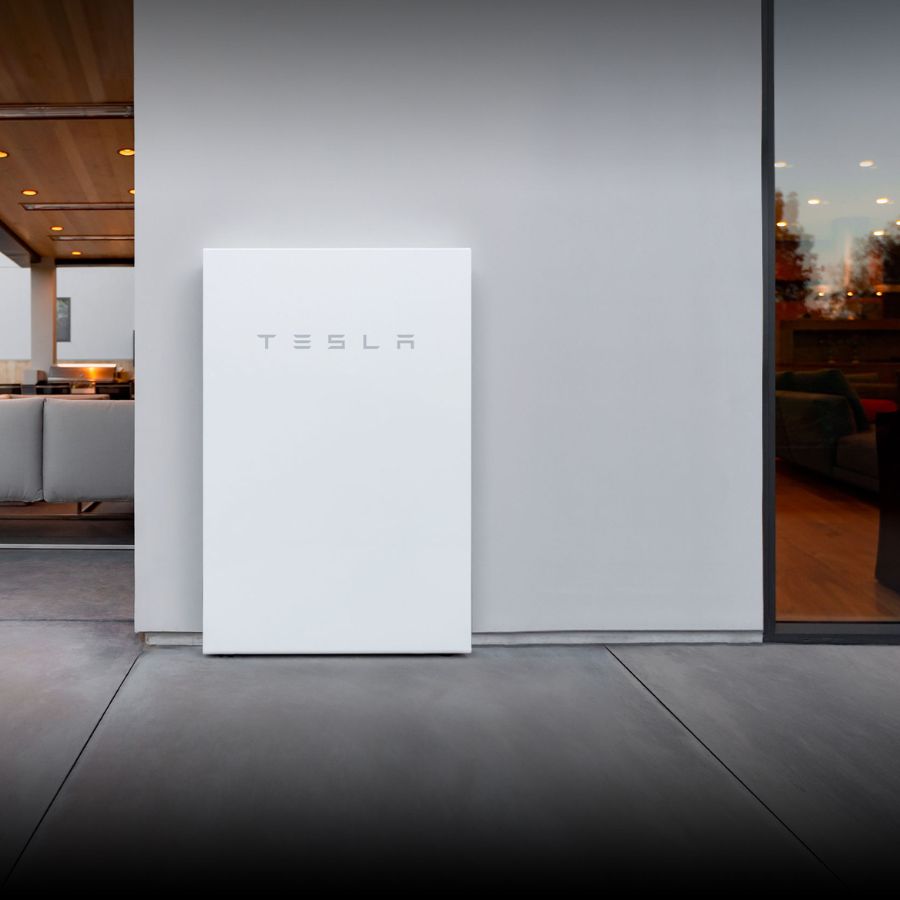
Rooftop solar + batteries make “free heat” a reality
Australia added 3 GW of rooftop PV in 2024 and now counts 185,000+ home-battery systems—up 40 % year-on-year. Underfloor heating matches the solar production curve: charge floors during sunny hours, draw almost nothing at night.
Moreover, from 1 July 2025 the Albanese Government’s Cheaper Home Batteries Program will slice around 30 % off the up-front cost of installing a home, small-business or community battery system. The rebate is delivered through the existing Small-scale Renewable Energy Scheme (SRES) and—unlike previous incentives—is uncapped, so every eligible installation can claim it.
How much is on offer?
- $372 per usable kWh in 2025 (about $330 / kWh after admin fees).
- The incentive steps down each year until it ends in 2030.
- A typical 10 kWh battery will attract circa $3,300 off the install price in 2025.
Energy bills and health drive consumer demand
Ducted air systems can burn up to 50 % more kWh than other radiant floors and blow allergens around. FIR and hydronic systems radiate gentle heat at 24–29 °C floor temperatures, cutting peaks on fragile winter grids and improving indoor air quality.
Installation has become plug-and-play
Thin FIR mats slip under tiles or engineered timber with minimal build-up, making them viable for renovations as well as new builds. Smart thermostats and app control now ship as standard, so homeowners see real-time running costs from day one.
Technology Showdown
FIR vs Electric Cable vs Hydronic
Three very different technologies compete for your floor space in Australia. Below we compare Warmset’s Italian-made far-infrared (FIR) mats with traditional electric resistance cables and hydronic water loops—looking at speed, efficiency, and installation depth. If you’re time-poor, skim the table; if you want the more detail, visit our dedicated sub-pages under the Info Hub – Warmset Australia comparing Warmset with hydronic systems and electric cable systems in more depth.
Warmset FIR Heating
Electric Cable Heating
Hydronic Water Loops
How Does Warmset FIR Heating Compare to Other Heating Systems?


State-by-State Rebates & Incentives
Victoria
Gas-free new homes. From 1 Jan 2024, dwellings that need a planning permit can no longer connect to reticulated gas under Victoria’s Gas Substitution Roadmap; builders must choose electric space-heating and hot-water systems. (planning.vic.gov.au)
Solar Victoria Battery Rebate. Up to $4,174 (max 50 % of costs) for a home battery when coupled with PV; applications re-open each financial year until 2030. Victorian Energy Upgrades certificates can shave 10-15 % off smart-thermostat installs and high-efficiency electric heat-pump water heaters.
New South Wales
ESS rebate certificates. Upfront discounts on high-efficiency electric heating appliances and smart-control upgrades via accredited ESS installers. (energy.nsw.gov.au). Low-Income Household Rebate (up to $285 / yr) can offset additional winter electricity spend when switching from gas. Solar for Low Income pilot offers free 3 kW PV systems in exchange for surrendering the gas rebate—worth noting for all-electric renovations.
Tasmania
0% loans from $500 – $10,000 (3-year term) for energy-efficient upgrades including electric heating and smart thermostats. (recfit.tas.gov.au). Additional $1,500 Heat-Pump-Hot-Water subsidy can release household budget for floor heating.
South Australia
0% loans from $500 – $10,000 (3-year term) for energy-efficient upgrades including electric heating and smart thermostats. (recfit.tas.gov.au). Additional $1,500 Heat-Pump-Hot-Water subsidy can release household budget for floor heating.
ACT
Interest-free loans up to $15 k for electric space-heating, PV and batteries; shifts to 3 % interest from 1 July 2025 but remains cheaper than bank finance. climatechoices.act.gov.au
The ACT already bans new-build gas connections, which aligns perfectly with electrical under-floor heating systems.
Queensland
2025 scheme offers roughly $400/kWh capped at $4,000 per home battery, stackable with existing interest-free loans for PV & efficiency upgrades. qldoutbacksolar.com
Energy Savers Plus audits for SMEs will cover electric-floor-heating efficiency modelling from late-2025.
Western Australia
Synergy customers: up to $1,300 ($130 / kWh). Horizon Power regions: up to $3,800 ($380 / kWh) toward home batteries as of 1 July 2025. (wa.gov.au). Scheme complements zero-interest loans for heat-pump hot-water under WA Clean Energy Future Fund.
Northern Territory
Home & Business Battery Scheme Grants of $400 / kWh up to $12,000 toward batteries and inverters for homes & SMEs (opened Dec 2024; still accepting in 2025) (nt.gov.au). Works hand-in-hand with the NT’s mandatory solar-ready conduit requirements for new dwellings.
Installation overview
From Slab to Smart Thermostat
Lucky for renovators and builders alike, modern under-floor systems no longer demand blocks of concrete (“in-slab”) or specialist screeds. Warmset FIR mats install more like a decoupling membrane than a heating element, while cable kits and hydronic loops follow their own best-practice layers. Below you’ll find a step-by-step cheat-sheet plus floor-finish compatibility so you can spec the right system before a single tile is laid.
| Build Phase | Warmset FIR Mat | Electric Cable | Hydronic Water |
|---|---|---|---|
| New slab | On screed or thermal insulation mat | On screed or clipped in slab (not recommended) | Pipes clipped to steel then encased in slab (not recommended) |
| Bathroom reno | Directly in tile adhesive or in screed | Same | Rarely practical (floor height an issue) |
| Suspended timber floor | Staple to ply/foam layer, use Warmset Aluminum or self-leveller and Warmset Mesh on top | Possible, higher wattage recommended | Not recommended |
| Floor Finish | Suitability & Notes |
|---|---|
| Tiles / Polished Concrete | Ideal for all three systems; highest heat transfer. |
| Engineered Timber / Bamboo | Suitable for FIR and some cable systems (up to 26 °C surface). Hydronic requires low-temperature mixing valve. |
| Luxury Vinyl Planks (LVP) | Use FIR or cable at ≤ 120 W/m² and check manufacturer warranty. |
Heating Cost Simulator
Estimate your heating costs instantly with our easy-to-use Heating Cost Simulator—helping you make smarter, more energy-efficient choices.
Insulation
How to pick the correct insulation level? Follow these guidelines:
- Low insulation: below 7 stars rating
- Average insulation: 7 stars rating
- High insulation: 8+ stars (Passive or similar)
How to determine the correct estimated wattage? Follow these guidelines:
- Low insulation: 150W
- Average insulation: 100W (150W for bathrooms)
- High insulation: 40W to 80W (100W for bathrooms)
Climate zones
- Zone 4 & 5: Hot/dry summer, cool to cold winters (Ex. Adelaide, Sydney)
- Zone 6 & 7: Mild to cool temperate (Ex. inland VIC, inland Southern SA, inland NSW)
- Zone 8: Regions with snowfalls
Disclaimer
These calculations reflect Warmset’s typical usage scenarios and construction site experiences. They are provided solely for illustrative purposes and do not represent a scientific standard or a binding commitment by Warmset or Warmset Australia. Actual running costs will vary depending on specific installation parameters, level of insulation, floor type, solar power connection, and heat loss factors of the specific building. This approximation does not imply any warranty or guarantee of energy consumption and/or electricity costs.